
Lovebird Boarding in Markham
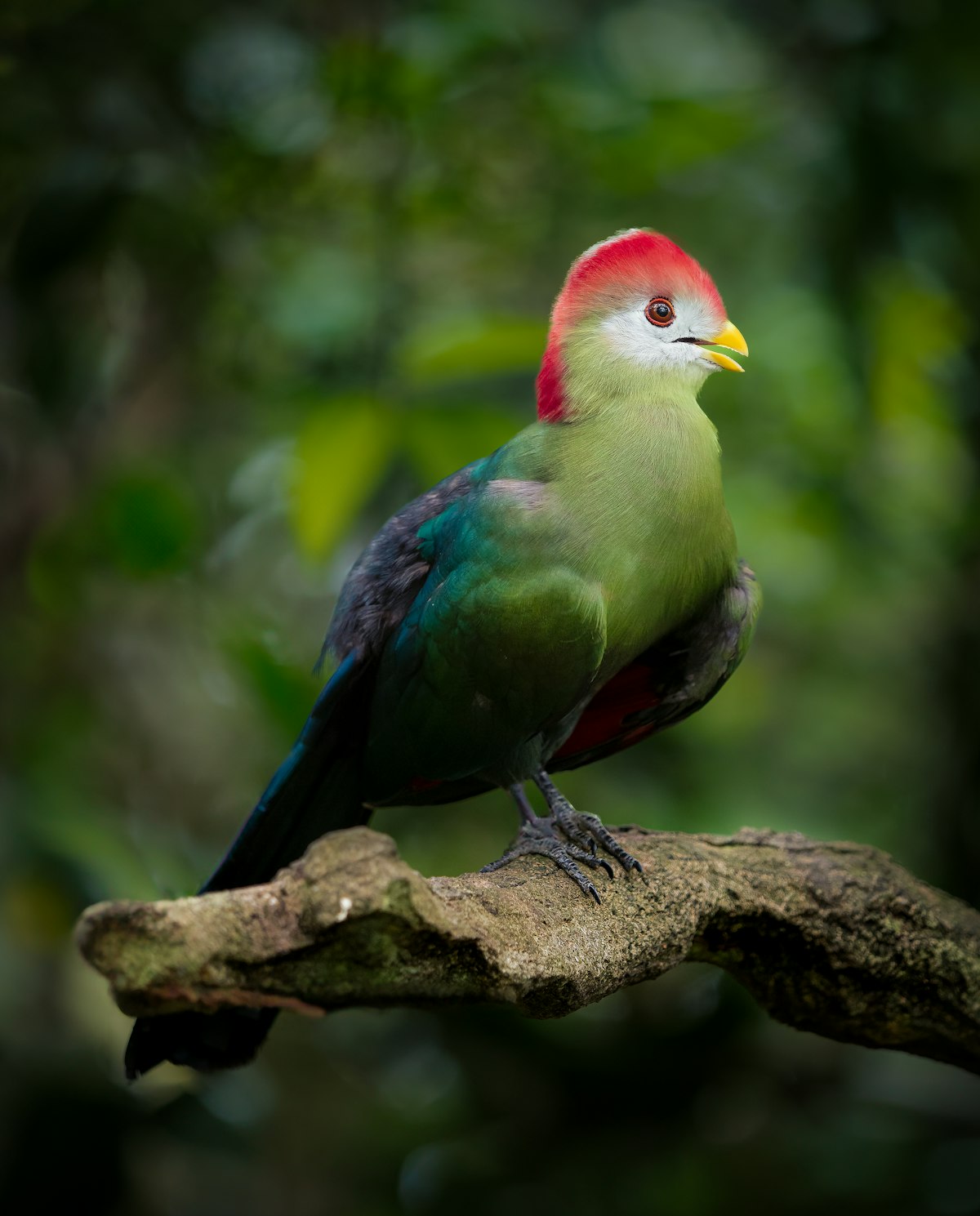
Lovebirds are small enough to perch on a fingertip and bold enough to act like they own the room. Pocket-sized, brilliantly coloured, and famously devoted, they pack the spirit of a much larger parrot into a body that weighs barely an ounce. That combination — tiny and tough, affectionate and territorial — is exactly what makes boarding a lovebird its own particular job, and we take the small-bird stakes seriously.
Tiny, Feisty, and Fiercely Bonded
The name is no accident. Lovebirds form intense attachments — to a mate, or to a person who has stepped into that role — and that bond shapes everything about a stay. A bonded pair draws real comfort from each other and should never be separated, while a single, human-bonded lovebird needs us to fill a gap it feels keenly. Either way, the emotional life of these birds runs hot, and reading it correctly is half the work.
The other half is respecting the attitude. For their size, lovebirds are surprisingly territorial and quick to defend their cage, their toys, and their chosen person, and a careless hand can earn a genuinely sharp little nip. We don't take that personally; we work with it, letting a lovebird approach on its own terms and learning the difference between bluster and real distress. And because so little body holds so little reserve, warmth and vigilant health-watching aren't optional — a chilled or off-colour lovebird needs attention the same day, not the next.
- Bonded pairs housed together, always, in their own familiar cage
- A warm, draft-free spot held at a steady, even temperature
- Territory-aware handling that lets a feisty bird set the pace
- Busy enrichment and shredding material for an active mind
- Steady company for a single, human-bonded lovebird
- Frequent health checks, because a tiny bird has no margin
The Lovebird Boarding Routine
A lovebird's stay turns on warmth, the right company, and respect for a strong little will. Here's how each is handled.
Warmth First
Lovebirds come from warm African habitats and feel a chill long before we would. Their cage sits away from windows, doors, and vents, and through a cold Markham winter we hold a steady, even temperature and watch for any bird fluffed up and tucked in to conserve heat — adding gentle supplemental warmth the moment it's wanted.
Right Company
A bonded pair stays together in their own cage, full stop — pulling apart birds that preen and feed each other is needless stress. A single lovebird that's bonded to a person instead gets real one-on-one attention from us, plenty of gentle talk, and a spot within earshot of other birds so the room never feels silent.
On Their Terms
These little birds are territorial and have opinions, so we never reach in and impose ourselves. We let a lovebird come to us, read its body language, and offer as much or as little handling as it actually wants — which keeps a feisty bird relaxed and keeps the famous lovebird nip where it belongs, in stories rather than on fingers.
Busy Days
Lovebirds are clever, energetic shredders who get bored and bossy without an outlet. We give them foraging toys, paper and palm to tear up, swings, and ladders to clamber over, and we rotate it so the days stay interesting. A busy lovebird is a content lovebird, far less likely to fuss or pick at itself.
Close Watch
A bird this small hides illness until it's serious, then declines fast, so we check each lovebird several times a day against its own normal — appetite, droppings, posture, energy. We weigh when it helps and note everything, and anything that worries us means a prompt call to your avian vet rather than a wait-and-see.
Small Birds, Big Welcome
Lovebirds are a favourite with Markham families who want a parrot's personality without a macaw's footprint — they suit the apartments near the Pacific Mall area and the townhomes of Cornell and Cathedraltown, where space and noise both matter. Many arrive as devoted pairs, and a few as single birds who've decided their owner is their whole flock. We're glad to take either, and if you can't bring the cage along we keep appropriately sized enclosures with the right narrow bar spacing ready to go.
Because lovebirds bond so hard and bluff so readily, a meet-and-greet beforehand pays off — it lets us learn whether your bird is a genuine cuddler or all attitude, and whether the nip is a warning or just chat. Throughout the stay you'll get a daily photo and an honest note on how your lovebird is eating, settling, and getting along with its mate, the small details that tell you a small bird is truly doing well while you're away.
Lovebird Boarding Questions
Read More
Budgie Boarding in Markham
Warm, flock-minded stays for the other small bird that lives life at full speed.
Companion Bird Nutrition
Feeding a small bird for healthy weight, bright feathers, and steady energy.
Preparing Your Bird for Boarding
How to set up a calm first stay for a tiny, strongly bonded bird.